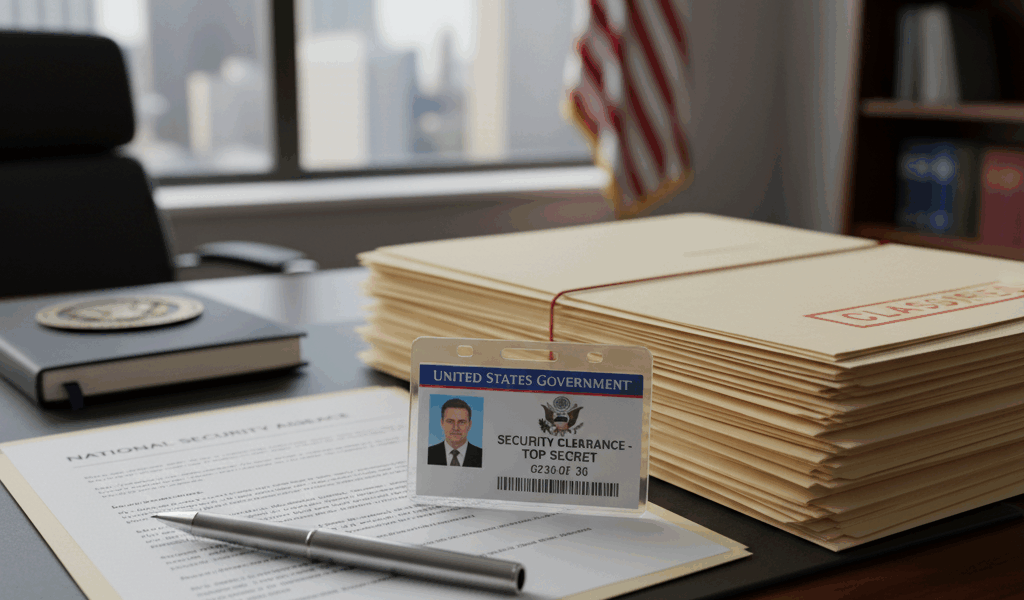
I held a Top Secret clearance for fifteen years. The process of getting it, maintaining it, and eventually letting it lapse taught me things that aren’t in the official documentation. If you’re pursuing a clearance or trying to keep one, here’s what I wish someone had told me.
The Investigation Is Thorough
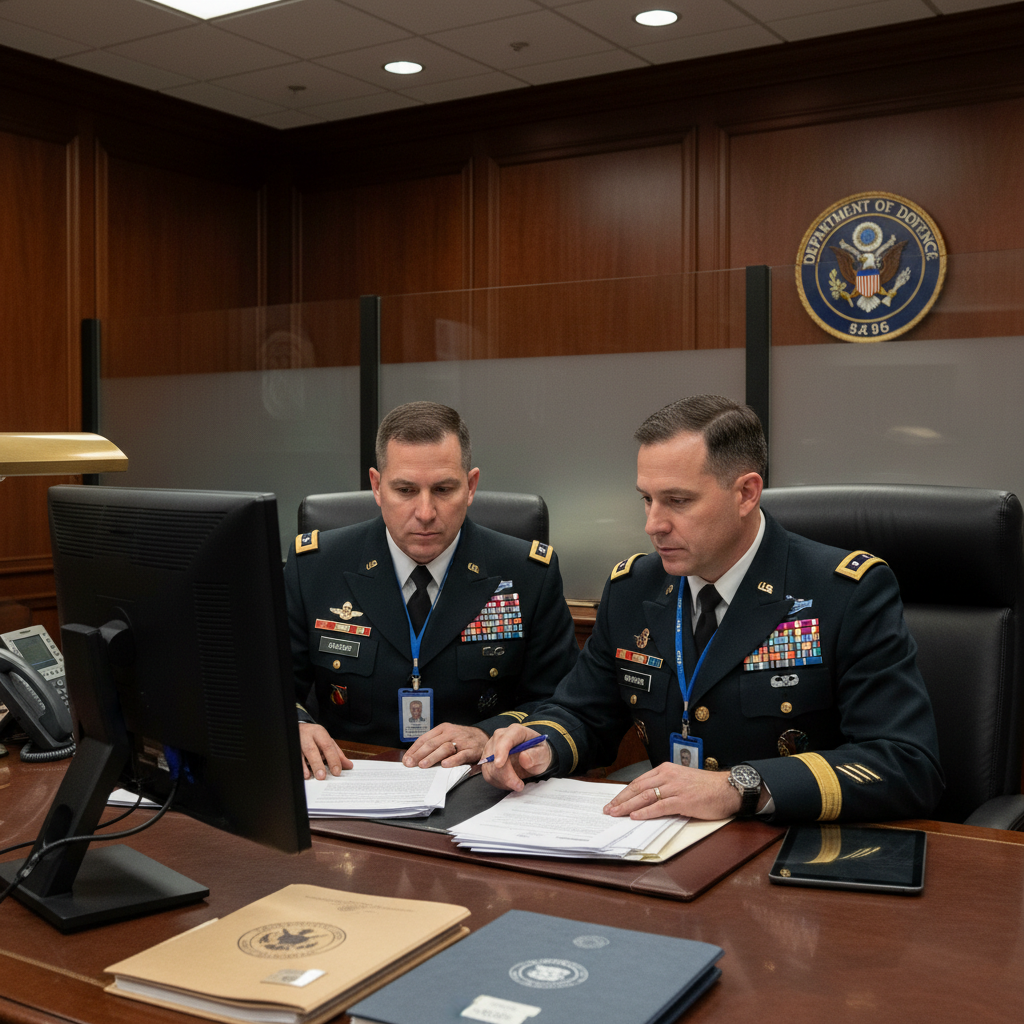
Don’t believe the movies where someone hacks a database and becomes a spy. Real clearance investigations dig deep. They interview your neighbors, coworkers, college roommates. They check credit reports, criminal records, foreign contacts.
My investigation contacted a landlord I’d forgotten I’d even had. They found a roommate from fifteen years prior. They knew about a speeding ticket I’d gotten in a state I’d passed through once on a road trip.
The point isn’t to find perfect people—those don’t exist. The point is to verify you’re honest about your imperfections. A bankruptcy from ten years ago won’t kill your clearance. Lying about it will.
Truthfulness Is Everything
I knew people who lost clearances not for what they’d done but for hiding what they’d done. Past drug use, disclosed honestly? Usually fine with sufficient time since. Same drug use, hidden on the form? Automatic denial when they find out—and they will find out.
The standard isn’t “have you ever made a mistake.” It’s “can you be trusted to tell the truth even when it’s uncomfortable.” Investigators understand that humans have complicated histories. They don’t understand why someone would lie on a federal form.
Foreign Contacts Matter
This trips up a lot of people, especially academics or people who travel internationally. Foreign contacts include the exchange student you roomed with freshman year, the colleague you worked with at an overseas conference, the person you met on vacation and kept in touch with.
You don’t have to cut off foreign relationships to get a clearance. But you have to disclose them and be willing to explain them. The concern isn’t friendship—it’s whether someone could use those relationships to pressure or influence you.
I maintained several foreign friendships throughout my clearance. Reported them, explained them, kept them in the open. No problems.
Financial Stability Counts
Debt makes you a target for exploitation. Someone with crushing student loans might be tempted by a check from a foreign intelligence service. That’s the theory, anyway.
In practice, normal debt—mortgage, car payment, reasonable student loans—doesn’t disqualify you. It’s unmanaged debt that raises flags. Huge credit card balances, collections accounts, patterns of financial irresponsibility.
I’ve seen people lose clearances over gambling problems specifically because gambling creates desperate financial situations. If you’re pursuing a clearance, get your finances in order first.
Mental Health Is Complicated
This area has improved over the years but still makes people nervous. Yes, mental health history gets reviewed. No, seeing a therapist doesn’t disqualify you. In fact, seeking treatment often looks better than struggling without help.
The concern is whether a condition could impair your judgment or make you susceptible to manipulation. Conditions that are treated, stable, and under control rarely cause problems. Conditions that go unaddressed or cause erratic behavior might.
When I went through mandatory counseling after a divorce, I reported it proactively. The investigator literally said “that shows good judgment.” Not what I expected.
Maintaining Is Different Than Getting
Once you have a clearance, you’re responsible for reporting changes. Foreign travel. New foreign contacts. Financial problems. Arrests—even minor ones. These requirements continue for as long as you hold the clearance.
People forget this. They get comfortable. Then they take an overseas vacation without reporting it, or they get a DUI and hope nobody notices. Security officers always eventually notice.
I kept a mental checklist: anything that would have been reportable on my initial SF-86 is reportable now. When in doubt, report. Better to over-report than under-report.
The Bottom Line
Clearances are about trust. The investigation establishes whether you can be trusted. Your behavior afterward confirms or undermines that trust.
Most people who pursue clearances can get them if they approach the process honestly. Perfect history isn’t required—consistent truthfulness is.




Leave a Reply